WHO IT IS FOR
Physicians, residents and fellows, medical students, nurses, nurse practitioners, physician assistants, pharmacists and other licensed healthcare professionals.
MedGram uses the cookies needed to keep you signed in. With your consent we also load Google Analytics, which sets its own cookies, to understand how the platform is used. Analytics stays switched off until you accept.
 MedgramMedgram
The medical world has waited long enough for one platform that does it all. Medgram brings the app, web platform and EHR-side extension into one connected clinical ecosystem.
MedgramSearch clinical knowledgeMGReview the case, choose your workup, and compare your reasoning.
Clinical AnswersMedgramConnectedMedgram is a professional social network and clinical platform built for healthcare. It brings clinical reference tools, documentation tools, clinical education, research, mentorship, jobs and a professional community into one place, on the web, on iOS and Android, and as a Chrome extension for use beside web-based EHRs.
Physicians, residents and fellows, medical students, nurses, nurse practitioners, physician assistants, pharmacists and other licensed healthcare professionals.
Access is limited to verified medical professionals and students. Medgram is not open to the general public. Each new account is reviewed and approved before it can use the platform, and membership is free.
Clinical guidance across Medgram is built to show the evidence behind it—not hide it.
A free Chrome extension that brings 10 clinical tools right next to your chart. Auto-inserts into web-based EHRs like Athenahealth and Epic Web — and for native apps like Epic Hyperspace or Cerner PowerChart (Citrix), one click copies to your clipboard to paste in.
● Native desktop app (Citrix) — one click copies to clipboard, then paste into your note
No supported EHR detected. You can still use Copy to clipboard.
Insert into chart enabled
Dictate or paste a transcript to generate a clean, structured clinical note.
Works on Chrome, Edge & Brave.
An account is required.
Medgram connects the work you do, the knowledge you need and the professionals you trust—without making you jump between disconnected systems.
Answers, documentation, patient education and the tools used throughout the clinical day.
Living cases, Grand Rounds and evidence designed for active clinical reasoning.
A membership of reviewed healthcare professionals, specialty conversations and collaboration without outside noise.
See it in action
Every feature in Medgram is built to save you time at the point of care. Here's what that looks like.
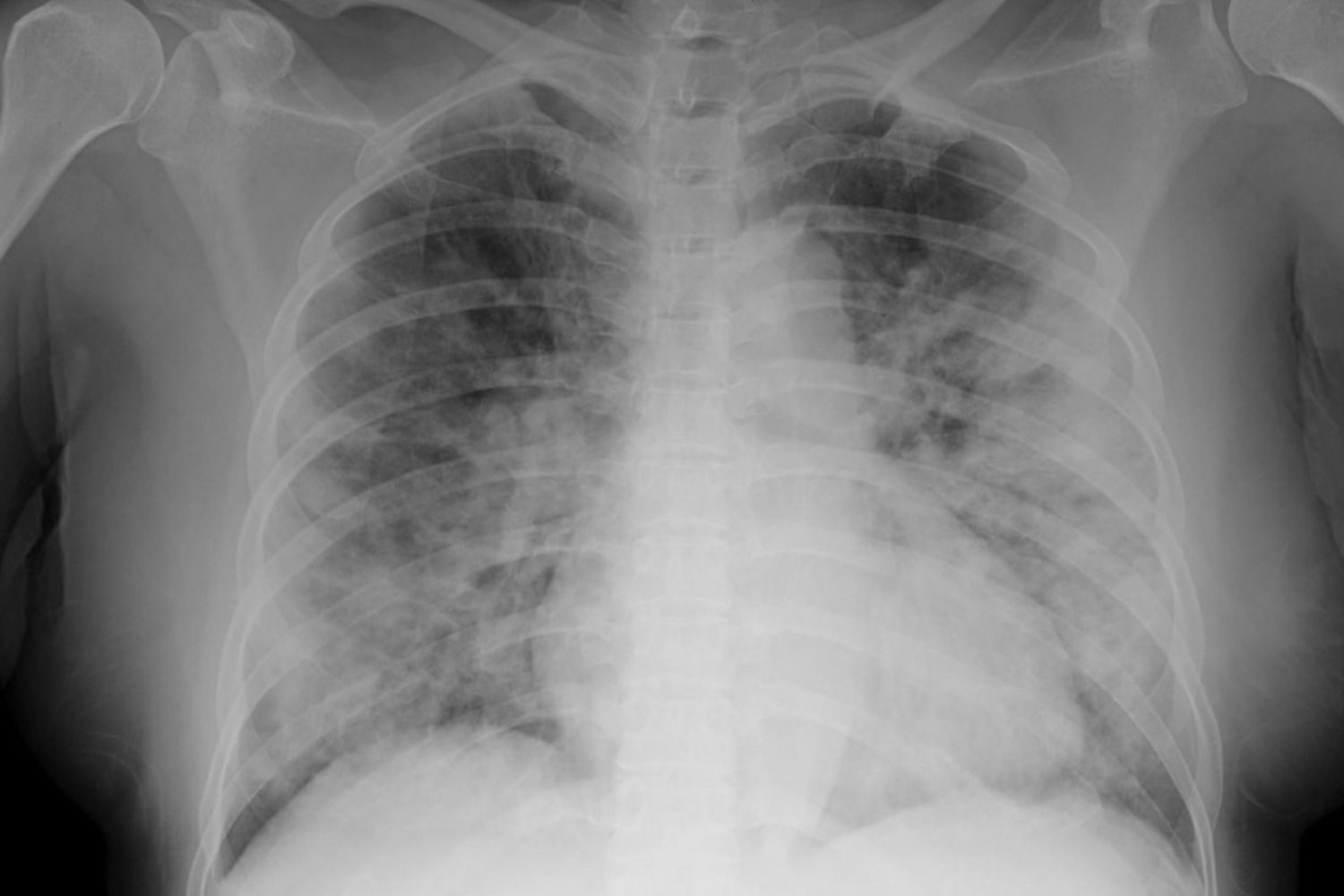
Upload X-rays, CTs, and clinical images for structured analysis
Condition-specific models bring the inputs, evidence, performance and limits into one transparent clinical view.
Explore the Model LabMalignant-class probability · Example case
Organize symptoms, screening results, functional change, collateral history and contributing factors—then build a longitudinal cognitive profile and clinician-reviewed consultation note.
Increasing forgetfulness, repeated questions and difficulty managing medications.
Memory and medication-management concerns have increased. Mood, sleep and medication context remain visible for review.
Clinical technology should make work clearer without hiding how the result was produced. Medgram keeps the professional in control from first output to final decision.
Generated notes, answers and education remain visible for professional review before they become part of care.
Clinical Answers is designed to surface supporting references so guidance can be evaluated in context.
Outputs are starting points—not final clinical decisions. The clinician retains control of every edit and action.
Medgram supports the workflow while clinical interpretation and patient-specific judgment stay with the professional.
From a growing professional network to thousands of completed clinical workflows.
“Medgram helps me move from the encounter to a structured note without breaking my clinical workflow.
Choose a clinical moment and watch the actual Medgram interface handle it.
See Clinical Scribe organize the encounter while the professional remains focused on the patient.
Tell us what changed. With your permission, selected experiences may be featured here.
104 fill-in-the-blank templates across 15 specialties. Real notes, order sets and workups written by clinicians, ready to complete at the bedside.
Every section is plain working text with marked blanks for the details of the patient in front of you.
Rapid response, inpatient and outpatient templates filed by specialty, condition and setting.
Copy a single section or the entire template, then paste it into your note and finish the work.
Confirming the diagnosis, complication screening and the comorbidity-driven drug choice.
Age  ; BMI  ; waist  ; A1c % confirmed by repeat  or glucose
Symptoms: polyuria  , polydipsia  , weight change  , blurred vision  , infections
Complications screen: retinopathy  , neuropathy symptoms  , foot exam  , albumin:creatinine  , eGFR
Cardiovascular: ASCVD  , heart failure  , prior MI/stroke  ; blood pressure /
Lipids: LDL  , HDL  , triglycerides  ; hepatic steatosis suspected
[ ] Metformin  mg titrated over  weeks unless eGFR < 30 or intolerance
[ ] If ASCVD, heart failure, or CKD: SGLT2 inhibitor  or GLP-1 receptor agonist  independent of A1c
[ ] If A1c > 9% with symptoms or > 10%: add insulin  or GLP-1  at diagnosis
[ ] Blood pressure target / ; start ACEi/ARB if albuminuria  at
[ ] Statin intensity  based on ASCVD risk % ; consider icosapent/ezetimibe
MEDGRAM